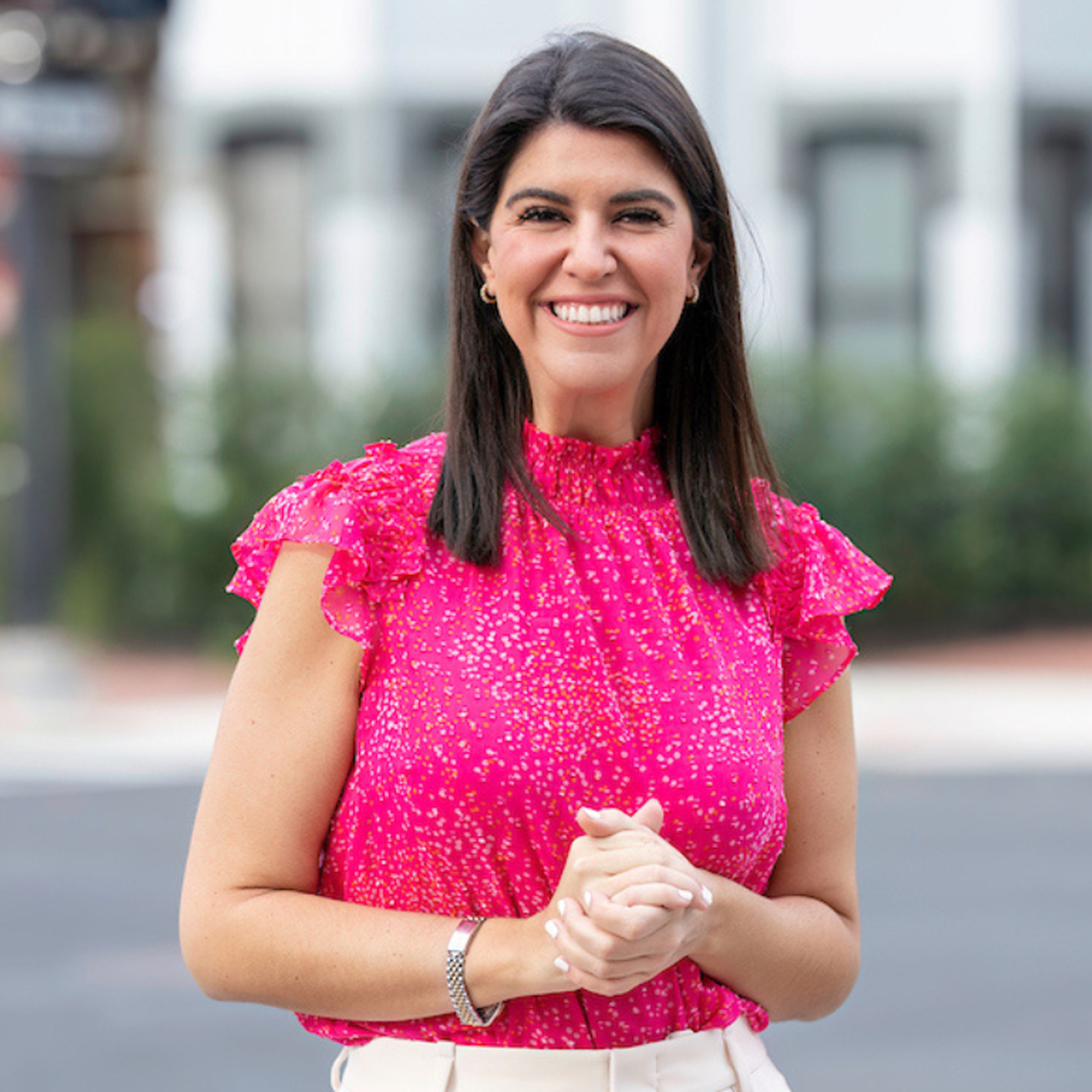
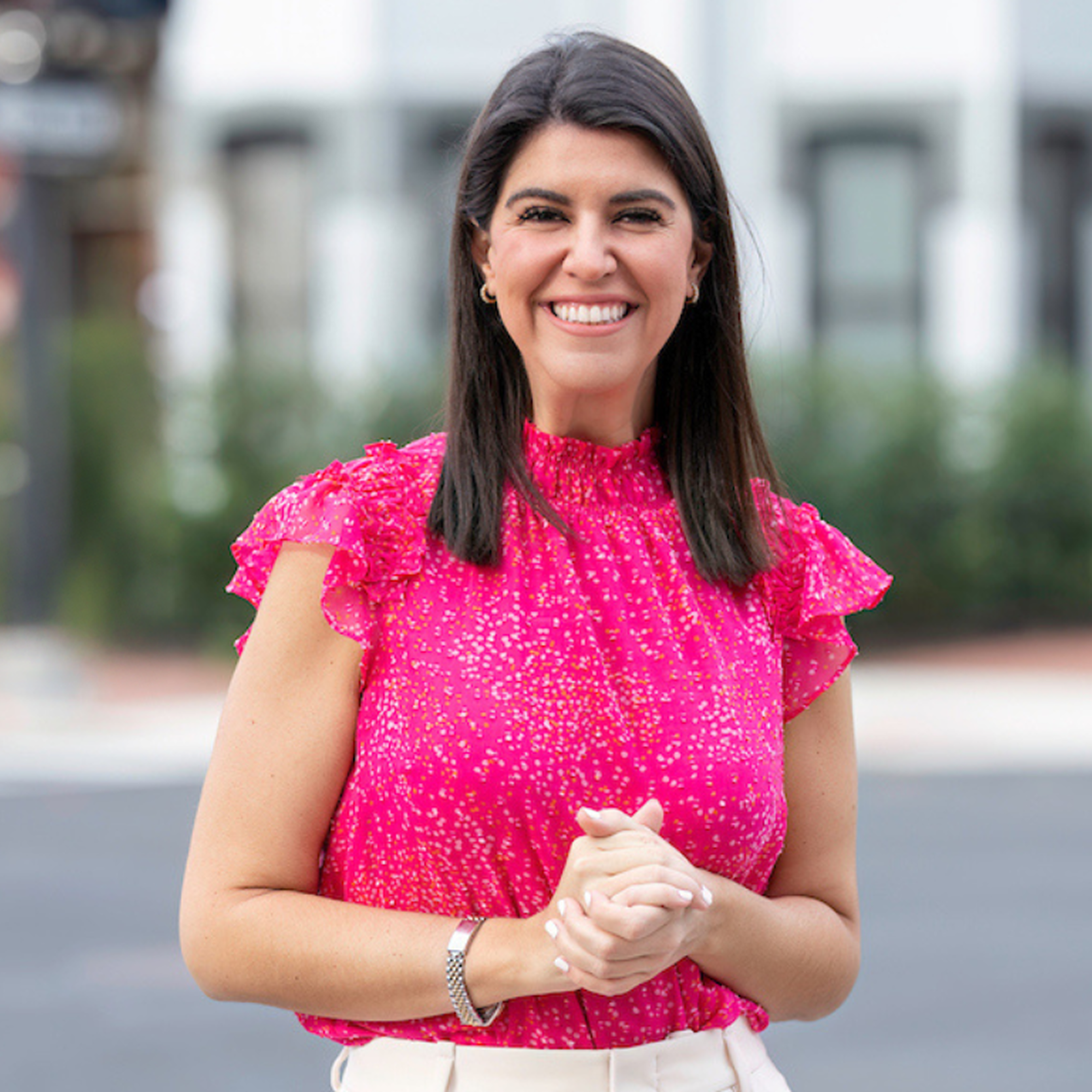
Interview with Brooke Pinto
/By Stefano Calvetti
We humans can argue passionately about many things, from how to load a dishwasher to how to save the world. Yet, we often forget one of the most powerful forces that has shaped us and continues to keep us, well, us: community.
Do not think about it as a “nice-to-have,” like that extra sprinkle of cheese on your pasta (though, let’s be honest, that’s pretty great too). It’s FUNDAMENTAL.
Think back, way back. Before Wi-Fi, before even comfy slippers, our ancestors were navigating a world that was, shall we say, a tad more tooth-and-claw.
“And speaking of coming together and having a bit of fun, what better way to celebrate our own Burleith community spirit than with good food and good company? Join the BCA Summer Picnic on Saturday, June 14. It’s an excellent chance to strengthen those bonds that make Burleith a place to live and to belong. See you there!”
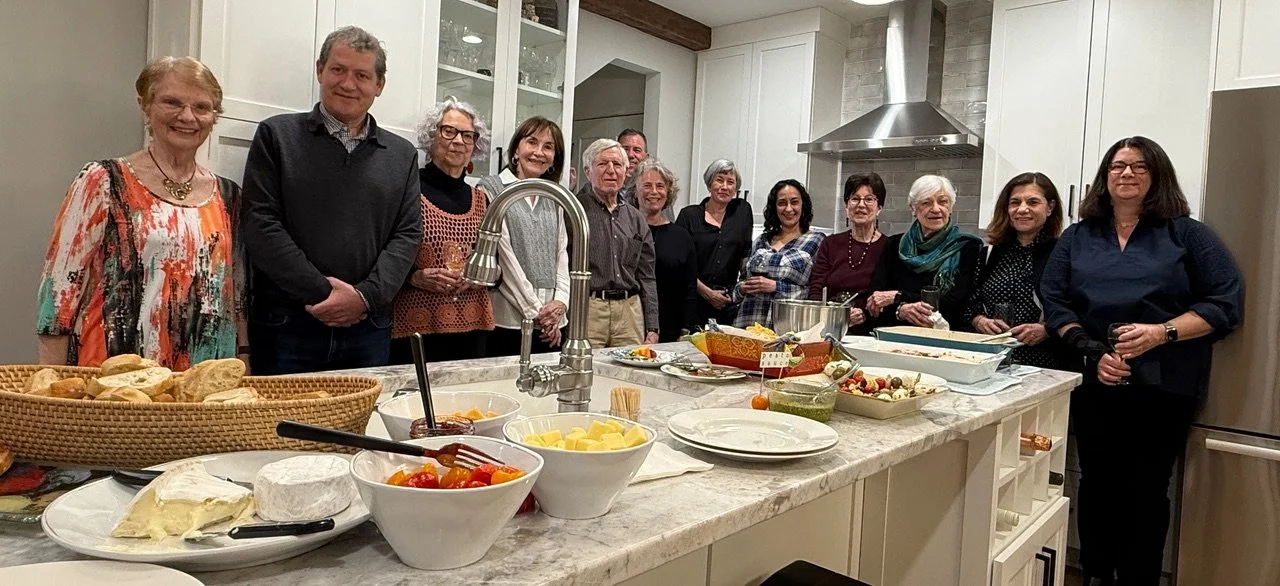
Stefano: First of all, thank you for your continued availability to Burleith residents and for showing up in the everyday ways that matter, including community gatherings like the recent Glögg party. For us, that kind of direct, unfiltered relationship with our elected leaders builds trust.
We’d love to use this opportunity to ask a few questions reflecting on your five years on the D.C. Council, your leadership as Chair of the Committee on the Judiciary and Public Safety, and what you see ahead for Ward 2, Burleith, and the District.
To start, you made history in 2020 as the youngest Councilmember and the first woman to represent Ward 2. Looking back, what do you consider your most significant accomplishment for District residents?
Brooke: I’m incredibly proud of the work that we did to pass the biggest public safety package in DC history, Secure DC, that has cut violent crime in the city by more than 50%. We could only do that by meeting with thousands of residents in every corner of the city, building a coalition of activists, and talking to neighbors in every single Ward. We made our streets safer by strengthening our gun safety laws and by investing in violence interruption, and giving young people more opportunities after school.
That’s the approach I take every single day to my job on the Council, and that’s the same approach I’ll take to every issue as your next Congressional Delegate.
S: As Chair of the Committee on the Judiciary and Public Safety, you helped drive the Secure DC Omnibus. What two outcomes are you proudest of so far, and which specific provisions do you believe will most directly reduce the day-to-day crimes residents feel, like car break-ins and package thefts?
B: I am of course most proud of the fact that our interventions have driven down violent crime in the district by over 50% - an incredible result that is only possible because we invested not only in tightening public safety laws like getting illegal guns off the streets, but also by investing in violence interruption programs to stop crime at the root.
We still have more work to do - which is why this month I took additional action to improve our 911 service line and will continue to work with our partners across government and community to lead to lasting and sustainable improvements for public safety. But I’m incredibly proud of the collaborative effort we’ve made between activists, community leaders, and law enforcement to deliver real change for the better.
S: You’ve argued that safety is not only enforcement but also an opportunity. Your Prosper DC package emphasizes youth pathways, jobs, and prevention. How are you applying an entrepreneurial mindset to ensure these programs effectively scale and reduce crime over time?
B: We are living through a time of incredible trauma and upheaval in DC. Trump’s actions in our city have been dangerous and unproductive, and it’s tempting to simply react to the dangerous actions of the White House and congressional Republicans. But I think our leaders need to do more than just react - we need to be proactive as well, because I have a vision for DC’s future that is full of opportunity. And that’s where Prosper DC comes from - a future for DC that is the best place in the country to do business and raise a family. We aren’t just a political capital - we’re a capital for culture, sports, and entertainment. And we need to be investing in our young people so that they want to stay in the city and build a life here - and that means investing in mentorship opportunities, afterschool programs, and helping them build the professional skills to stay and grow our community.
S: Burleith residents are worried about bus service reductions and reliability, especially as Metro considers FY2027 changes. What are you doing now to protect and improve service for Georgetown and Burleith riders?
B: I've been in direct conversations with WMATA leadership about the disproportionate impact proposed cuts would have on Ward 2 riders. Georgetown and Burleith aren't served by Metro rail, so WMATA buses aren't a backup, they're the whole ballgame. I'm pushing for ridership data transparency and holding public hearings before any FY2027 changes are finalized.
S: Our neighborhood lies between Georgetown University, MedStar Georgetown University Hospital, the Duke Ellington School, and other scholastic institutions, making traffic, curb space, and day-to-day livability intense. What are your current priorities for balancing institutional growth with residents’ quality of life, and what accountability tools actually work?
B: When Georgetown or MedStar expands, residents deserve binding agreements on traffic mitigation, curb management, and ongoing community liaison processes. I’ll continue to fight to ensure that large institutions remain committed to their community agreements, and I’ll continue to be an active partner in this important partnership and work.
S: The renovation of Ellington Field has drawn opposition from the Burleith Citizens Association, especially around stadium lights, a clear usage agreement, and expected increases in traffic. When it comes to goal setting and achievement tracking for this project, what specific commitments and metrics will you require from DPR/DGS before reopening?
B: Before Ellington Field reopens, I will require DPR and DGS to deliver a clear, public usage agreement, including suggested capped event hours, defined light-use protocols, and a traffic management plan. Local residents shouldn't have to fight for this information.
S: This winter’s Potomac River sewage spill triggered a local emergency declaration and federal involvement. What does this incident reveal about infrastructure risk, regional coordination, and environmental resilience for Ward 2?
B: It was absolutely unacceptable that the crisis had been unspooling for nearly a month before the Council was appropriately briefed and before an emergency declaration was involved. It highlights a couple of things - our vulnerability to crises that occur across jurisdictions, and a reporting structure that is clearly inadequate. We need improvements on these fronts - and we need to appropriately speed up the building of our new sewer line to ensure this never happens again. We will gladly accept funding and assistance from the federal government to help with clean up and remediation. It remains one of my long term goals to ensure the Potomac and Anacostia Rivers are swimmable for all.
S: What do you see as the greatest untapped opportunity for the Burleith neighborhood over the next few years? To make that a reality, what do you need most from the residents and the Burleith Citizens Association in terms of advocacy and community action?
B: Burleith has incredible assets, including proximity to the waterfront, the energy of Ellington students, and tight-knit, deeply engaged community. These are trying times for DC, and we need every single neighborhood to direct their energy towards finding solutions to resist the Trump Administration to protect our city and its residents, to build a national coalition to finally deliver DC statehood, and continue to engage our local officials on incredible ideas -- many of which have stemmed from involved residents -- to improve our city.
S: In August 2025, President Trump invoked Section 740 of the Home Rule Act to federalize elements of MPD and activate the National Guard—moves you publicly opposed. What did that episode teach you about D.C.’s structural vulnerabilities, and what specific reforms will you pursue to reduce our exposure to future federal intervention?
B: It underlined in an incredibly dramatic way how vulnerable we are without statehood. It’s why I believe we need someone on the Hill who will quarterback a national movement to finally give DC residents the protections and representation they deserve. And on the Hill, I intend to work with everyone - no matter their party - to stave off attacks on our city and preserve the people’s voice here.
S: When residents, advocates, MPD, prosecutors, and business owners all push you in different directions, what principles guide your decision-making, and how do you maintain the self-awareness needed to balance those competing interests?
B: I have courage in my convictions that the greatest obligation we have as a government is to keep residents and visitors safe. That’s my northstar - and when I meet with activists, with community leaders, with law enforcement, I’ve found that this is their core value as well, even if they disagree on the approach. I often learn from residents or groups I meet with about different ideas or strategies to get there and have been proud to pilot several innovative approaches as well.
S: If elected, you would break another record and be the youngest Delegate to represent D.C. in Congress in over 150 years. How does your perspective as a millennial leader influence your approach to legislating for D.C.'s future?
B: I feel a lot of urgency about the future of our city. It’s personal to me - as a millennial, I'm thinking about climate, housing costs, and a resilient democracy, at a time when it feels like we are losing ground on all of those fronts. I think we need a new generation of leaders to step up to the plate. That’s what I’ve done on Council, and that’s the energy and perspective I’ll bring to Congress.
S: What is the final message you would like to leave to Burleith residents?
B: Burleith is an incredibly special community, and I’ve been honored to get to know many of you personally as your representative on Council for the last six years. We are living through one of the darkest chapters in DC’s history, but it is my firm belief that our brightest days are ahead of us. I want to fight to make that happen. I want to make DC the best place to raise a family, start a business, and grow old. In Congress, I’ll work every single day to make that happen. I would be honored to have your support and continue my career’s mission to work on your behalf!